Common problems with carpet cleaning Islington N1 London
If you have ever booked carpet cleaning in a busy London home and then found damp patches, stubborn marks, or a room that still smells a bit off the next day, you are not alone. Common problems with carpet cleaning Islington N1 London are usually less about the idea of cleaning and more about the details: fibre type, soil level, drying time, equipment, and how the job is prepared. In a place like Islington, where flats, maisonettes, shared entrances, and older properties are common, those little details matter more than people expect.
This guide breaks down the issues people run into, why they happen, how to avoid them, and what good carpet care actually looks like in real life. It is practical, plain-English, and meant to help you make better decisions whether you are hiring help or trying to understand why a clean did not quite go to plan.
Table of Contents
- Why Common problems with carpet cleaning Islington N1 London Matters
- How Common problems with carpet cleaning Islington N1 London Works
- Key Benefits and Practical Advantages
- Who This Is For and When It Makes Sense
- Step-by-Step Guidance
- Expert Tips for Better Results
- Common Mistakes to Avoid
- Tools, Resources and Recommendations
- Law, Compliance, Standards, or Best Practice
- Options, Methods, or Comparison Table
- Case Study or Real-World Example
- Practical Checklist
- Conclusion
- Frequently Asked Questions
Why Common problems with carpet cleaning Islington N1 London Matters
Carpet cleaning sounds straightforward until something goes sideways. A good-looking carpet can still hide residue, over-wetting, fibre distortion, or smells that return after a day or two. And yes, that happens more often than people like to admit. In Islington N1, this matters because many homes are compact, lived-in, and not always easy to ventilate properly. Drying takes longer in rooms with limited airflow, and mistakes show up fast when the carpet is in a high-traffic hallway or living room.
There is also the cost angle. If cleaning is done badly, you may need a second visit, or worse, you may end up replacing carpet sooner than planned. That is not just annoying. It is avoidable. Understanding the common failure points helps you ask better questions before the work starts and spot problems early if they appear afterwards.
Truth be told, many carpet cleaning complaints come down to poor expectations rather than poor effort. Not every stain can be removed. Not every carpet should be cleaned the same way. But the difference between a decent result and a disappointing one is often preparation, technique, and honest advice.
Expert summary: Most carpet cleaning problems in Islington N1 come from three things: using the wrong method for the carpet, not preparing the room properly, and drying too slowly. Get those right and the job usually improves dramatically.
How Common problems with carpet cleaning Islington N1 London Works
To understand the problems, it helps to understand the process. Carpet cleaning normally starts with inspection, then vacuuming, pre-treatment, agitation, extraction or shampooing, and drying. In a flat off Upper Street or a family home near a busy road, that process can be affected by dust, foot traffic, pet hair, cooking residue, and the usual London mix of outdoor grime tracked indoors.
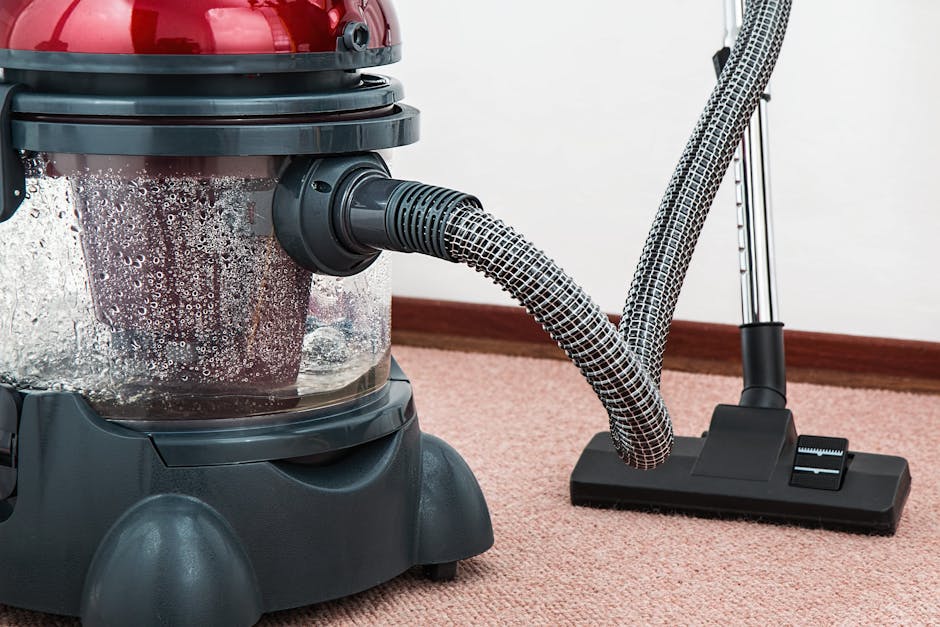
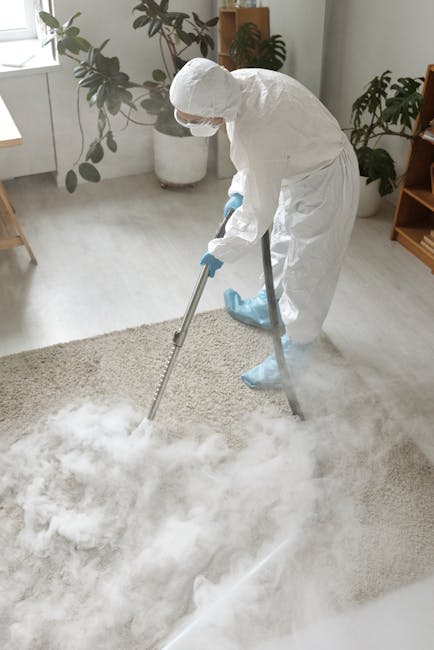
The most common methods are hot water extraction, low-moisture cleaning, and dry compound cleaning. Each has strengths and limits. For example, hot water extraction can remove embedded soil well, but if too much solution is used, drying takes longer and carpets can feel slightly sticky if rinse extraction is poor. Low-moisture methods dry faster, but they may struggle with deep-set contamination. Not ideal if the carpet has been through one too many muddy days. We have all seen that kind of hallway.
Problems often begin before the machine is switched on. If stains are not identified correctly, if furniture is left in place without enough clearance, or if the cleaner does not test the carpet fibre, the risk of damage rises. Wool, wool blends, synthetic fibres, and delicate pile types all behave differently. A one-size-fits-all approach is where trouble begins.
Another overlooked issue is residue. If detergent or spotting chemicals are not fully removed, the carpet can attract soil faster afterwards. People then think the carpet "got dirty again very quickly," when really the surface is holding onto leftover product. A bit frustrating, that.
Key Benefits and Practical Advantages
When carpet cleaning is done properly, the benefits are obvious. The room looks fresher, the fibres feel revived, and general housekeeping becomes easier. But there are deeper advantages too, especially in homes and small offices where the carpet takes the brunt of daily life.
- Better appearance: Traffic lanes, dull patches, and spotty marks are reduced, which can make an entire room feel brighter.
- Improved hygiene: Dirt, allergens, pet dander, and spilled residue are lifted out rather than left sitting in the pile.
- Longer carpet life: Regular, appropriate cleaning can reduce wear caused by embedded grit.
- Odour control: Damp smells, food smells, and pet-related odours are easier to manage when treated correctly.
- Better comfort: Clean carpets often feel softer and more pleasant underfoot, which is a small thing until you notice it.
There is also a practical benefit for tenants, landlords, and homeowners preparing a property for viewing or moving day. A clean carpet can affect first impressions instantly. It is one of those things people notice without really looking at. The room just feels more cared for.
If you are arranging other cleaning work at the same time, it can help to coordinate services. Many households combine carpet care with deep cleaning, and in some cases pair it with end of tenancy cleaning when the carpet is part of a larger reset. That kind of joined-up approach often makes more sense than tackling each task separately.
Who This Is For and When It Makes Sense
This topic matters most if you are seeing repeated carpet issues rather than a one-off mark. Maybe your stairs keep looking grey by the edges. Maybe the living room feels clean but still carries a faint smell after treatment. Maybe a previous cleaner left a crunchy feel behind. That sort of thing.
It is especially relevant for:
- homeowners who want to extend the life of their carpets
- tenants trying to leave a property in acceptable condition
- landlords and letting agents checking move-out standards
- families with children, pets, or heavy foot traffic
- small offices and shared spaces that need periodic refreshes
- people in older Islington properties where airflow and access can complicate drying
It makes sense to pay attention when you notice any of the following: spots keep reappearing, the carpet takes too long to dry, the pile feels stiff, or the room smells damp after cleaning. Those are not always signs of disaster, but they are definitely signals worth checking.
Sometimes the right answer is a deeper clean. Sometimes it is just better technique. And sometimes, to be fair, the carpet has reached the point where no miracle cleaner is going to turn it into something new. The honest assessment is part of the service, not an afterthought.
Step-by-Step Guidance
If you are trying to prevent common carpet cleaning problems in Islington N1, follow a simple, sensible process. Nothing fancy. Just thorough.
- Inspect the carpet properly. Look for fibre type, worn areas, old stains, and any damage such as loose seams or fraying edges.
- Identify the main soil problem. Is it general dirt, food marks, pet mess, or water-based staining? Each one behaves differently.
- Vacuum before any wet work. This removes loose grit so it does not turn into slurry during cleaning.
- Test chemicals in a hidden area. Especially important for wool, dyed carpets, or older installations.
- Choose the right method. Hot water extraction, low-moisture treatment, or spot-focused work should match the carpet, not the other way around.
- Pre-treat stubborn areas carefully. Use enough product to break down soils, but not so much that residue becomes a new issue.
- Control moisture. Over-wetting is one of the biggest reasons carpets dry slowly and smell musty later.
- Allow strong drying conditions. Open windows where possible, use airflow, and avoid walking on the carpet too soon.
- Check the result once dry. Some issues only show up after the carpet has settled.
A useful rule of thumb: if a process leaves the carpet looking clean but feeling damp and sticky, it is only half done. The drying stage is part of the clean. Not an optional extra.
Expert Tips for Better Results
In our experience, a few small habits make the biggest difference. This is where the job stops looking like generic cleaning and starts looking tailored to the carpet in front of you.
1. Treat stains by type, not by guesswork
Coffee, red wine, mud, pet accidents, and oil-based marks all need different handling. Blasting them all with one product is how fibres get damaged and stains spread. The cleaner should match the treatment to the stain rather than chasing it around the room like it owes them money.
2. Be careful with wool carpets
Wool can clean beautifully, but it also deserves respect. Too much heat, harsh alkalinity, or aggressive agitation can cause texture issues or colour changes. A gentler approach often gives the best result.
3. Drying matters more than people think
Good extraction and airflow are not glamorous, but they are essential. In a London flat with limited cross-breeze, opening a window and using fans can make a noticeable difference. On a wet autumn afternoon, that matters even more.
4. Ask for a proper pre-inspection
Any cleaner worth their salt should be able to explain what they see before they start. If they cannot identify the carpet type or talk through likely risks, that is a warning sign. A tiny warning sign, maybe, but still.
5. Manage expectations honestly
Some stains oxidise, some dyes are already damaged, and some carpets have wear that cleaning cannot reverse. The goal is improvement, not fantasy. Honest service usually gives the best long-term outcome.
If you are also comparing different room types or property sizes, it can help to look at related services such as domestic cleaning for ongoing upkeep or one-off cleaning for a periodic reset. Not every home needs the same plan, and that is perfectly fine.
Common Mistakes to Avoid
This is where many carpet cleaning problems start, and it is usually not from bad intentions. People just assume carpets are more forgiving than they are.
- Using too much water: This can lead to slow drying, backing damage, and lingering odour.
- Rubbing stains aggressively: That pushes the mark deeper and can distort the pile.
- Skipping a vacuum stage: Loose dirt becomes harder to extract once it is wet.
- Applying the wrong chemical: A strong cleaner may remove the stain and damage the fibre at the same time. Not a great trade.
- Ignoring ventilation: Poor airflow causes the carpet to stay damp longer, especially in enclosed rooms.
- Cleaning without testing: Dye bleed and texture changes can happen surprisingly fast on sensitive carpets.
- Walking on the carpet too soon: This can flatten fibres and re-soil the surface.
Another sneaky mistake is assuming every dark patch is dirt. In some cases, the carpet is worn, stained permanently, or showing a traffic pattern that cleaning will only reduce, not erase. That is a useful distinction because it stops you chasing a perfect result where one may not exist.
Tools, Resources and Recommendations
Good carpet care is easier when the right tools are used. You do not need a van full of gear at home, but certain items make a real difference.
| Tool or Resource | What It Helps With | Why It Matters |
|---|---|---|
| High-filtration vacuum cleaner | Dry soil removal before cleaning | Prevents dirt from turning into slurry and helps the finish |
| Spotting kit | Small stains and targeted treatment | Lets you treat specific marks without over-wetting the whole area |
| Air mover or fan | Drying support | Improves airflow and reduces musty smells |
| Fibre-safe cleaning solution | General soil removal | Protects carpet structure and avoids residue build-up |
| White absorbent cloths | Blotting stains | Helps lift spillages without spreading dye or lint |
If you want a broader service approach, pages like carpet cleaning, rug cleaning, and upholstery cleaning are worth considering together when the whole room needs attention rather than just the floor covering.
A practical recommendation: if a room has both carpet and fabric furniture, address both in the same session when possible. Otherwise, you can clean one surface beautifully and leave the other bringing the room back down again. Happens all the time.
Law, Compliance, Standards, or Best Practice
For household carpet cleaning, there is usually no special legal hurdle for the customer, but there are still sensible standards and best practices to consider. Reputable cleaners should work in line with safe handling of chemicals, appropriate use of equipment, and general health and safety expectations. In a shared building, it is also sensible to think about noise, access, wet floors, and common-area protection.
If the property is rented, both tenants and landlords should keep clear records of condition before and after cleaning where possible. That helps avoid disputes about wear, damage, and what cleaning was actually carried out. For office or communal settings, the expectation is usually simple: cleaning should not create slip risks, residue issues, or avoidable disruption.
You should also expect a provider to be transparent about limitations. For example, if a stain is permanent, if the carpet is fragile, or if drying will be longer because of poor ventilation, that should be explained clearly before work begins. Good practice is not just about the clean itself; it is about honesty, care, and leaving the space safe and usable.
Many people also check whether a company has sensible operational policies on areas such as insurance and safety and health and safety policy. That is a fair question. If someone is working in your home or building, you want to know they are thinking about more than just the carpet.
Options, Methods, or Comparison Table
Different carpet problems call for different methods. Picking the wrong one is a common reason people feel disappointed after a cleaning visit. Here is a simple comparison to keep things grounded.
| Method | Best For | Strengths | Limitations |
|---|---|---|---|
| Hot water extraction | Deep soil, general refresh, high-traffic areas | Strong soil removal, good for embedded dirt | Longer drying time, risk of over-wetting if handled badly |
| Low-moisture cleaning | Quick turnaround, lightly to moderately soiled carpets | Faster drying, less water used | May be less effective on heavy contamination |
| Spot treatment only | Small local stains | Targeted and efficient | Does not refresh the whole carpet |
| Dry compound cleaning | Delicate or moisture-sensitive situations | Very low drying time | Can be less effective on deep-set dirt |
There is no universal winner. If a cleaner tells you there is, that is a bit too neat. Real carpets are messy, and real homes even more so. A method should be chosen based on the carpet, the room, the stain type, and the drying conditions available.
Case Study or Real-World Example
Picture a typical Islington flat with a small hallway, a living room with a sofa, and a carpet that has picked up everyday life: muddy shoes, a bit of cooking grease in the air, and one old tea spill near the skirting board. The owner wants the room freshened up before visitors arrive on Saturday. Pretty standard.
The first attempt, done in a rush, uses too much solution and very little airflow. The carpet looks better for a few hours, then starts to feel tacky and takes far too long to dry. The old tea mark fades, but the hallway gets a faint damp smell. Not disastrous, but not right either.
The better approach is more careful. The cleaner vacuums properly, identifies the fibre, tests a hidden corner, pre-treats the tea mark, and keeps moisture controlled. Fans are used, windows are opened where practical, and the carpet is checked after drying. The result is cleaner, drier, and much more comfortable. Same carpet. Better process. That is really the difference.
This kind of situation is common enough that it is worth planning for rather than hoping for the best. A little patience up front usually saves a lot of annoyance later.
Practical Checklist
Use this checklist before, during, or after carpet cleaning. It keeps the process sensible and cuts down on the usual problems.
- Identify the carpet fibre if you can
- Vacuum thoroughly before any wet cleaning
- Test cleaning products in a hidden area
- Remove small movable items from the room
- Protect nearby skirting, plugs, and furniture feet
- Choose the method that suits the carpet, not the cheapest-looking one
- Control the amount of moisture used
- Keep windows open or use fans where safe and practical
- Avoid walking on the carpet until it is properly dry
- Inspect the result in daylight if possible
- Ask whether any residue was left behind
- Check whether problem areas need a second treatment
A small note here: if the carpet still feels damp after a long period, do not ignore it. That is the point where a simple clean can drift into a mould or odour issue if left unattended. Better to deal with it early.
Quick takeaway: The most common carpet cleaning problems are preventable when the carpet is inspected properly, moisture is controlled, and drying is treated as seriously as cleaning.
Get a free quote today and see how much you can save.
Conclusion
Common problems with carpet cleaning Islington N1 London are usually not mysterious. They come from a few repeat issues: poor preparation, the wrong method, too much moisture, weak drying, or unrealistic expectations. Once you know what to look for, the whole process becomes easier to judge.
That does not mean every carpet will come up perfect. Some marks are permanent, and some carpets are simply worn. But with the right approach, most results can be improved a lot, and the headaches that people usually complain about can be avoided entirely.
If you are planning carpet cleaning soon, take your time, ask the awkward questions, and trust the cleaner who explains things clearly rather than promising magic. That small bit of care goes a long way. And honestly, your carpet will probably thank you in its own quiet way.
Frequently Asked Questions
What are the most common problems with carpet cleaning in Islington N1?
The most common issues are over-wetting, slow drying, residue left in the pile, colour changes on delicate fibres, and stains reappearing after drying. In compact London homes, ventilation can make these problems more noticeable.
Why does my carpet smell after cleaning?
A lingering smell usually means the carpet stayed damp too long, residue was left behind, or there was an underlying issue such as pet contamination or old spill damage. Drying speed and ventilation are key here.
How long should a carpet take to dry after cleaning?
Drying time depends on the method used, room airflow, temperature, and how much moisture was applied. Some carpets dry fairly quickly, while others take longer. If drying feels unusually slow, that is worth checking.
Can carpet cleaning damage wool carpets?
Yes, if the wrong chemicals, heat, or agitation are used. Wool can be cleaned successfully, but it needs a gentler approach and proper testing first. That is one area where experience really matters.
Why do stains come back after cleaning?
This often happens when a stain has soaked into the underlay or backing, or when cleaning lifts hidden residue to the surface during drying. It can also happen if the stain was not fully treated the first time.
Is steam cleaning always the best option?
Not always. Steam or hot water extraction works well for many carpets, but not every fibre or situation suits high-moisture cleaning. The best method depends on the carpet type, soil level, and drying conditions.
What should I do before a carpet cleaner arrives?
Vacuum if asked, move small items, point out problem areas, and mention any stains you already know about. It also helps to ask what drying time to expect so you can plan the room use properly.
Can carpet cleaning remove all stains?
No. Some stains are permanent, some dyes have already changed the fibre, and some marks are actually wear rather than dirt. A trustworthy cleaner should explain what is likely to improve and what may not.
How do I know if a cleaner is using too much water?
Warning signs include a very wet carpet after the job, long drying times, a heavy chemical smell, or a tacky feel underfoot once it starts drying. A proper clean should not leave the carpet soggy.
Do I need carpet cleaning if the carpet looks clean?
Sometimes yes. Carpets can hold soil, dust, and allergens even when they look fine from above. If the room gets heavy use or the carpet is starting to look dull, periodic cleaning can still be worthwhile.
What is the best way to stop carpet cleaning problems in a flat?
Choose the right method, make sure there is enough airflow, and avoid rushing the drying stage. In flats, especially in Islington, limited ventilation can be the biggest factor affecting the result.
Should I clean carpets and upholstery together?
Often, yes. If both surfaces are carrying the same everyday dirt and odours, cleaning them together can give a more balanced result. It also helps the room feel genuinely refreshed rather than half-finished.